

Check out Chris Miller’s interview with Anubys Lopez and his new series Surviving La Llorona.
With the success of Final Destination: Bloodlines and Sinners, it’s safe to say that the horror genre is having somewhat of a resurgence at the moment. Not that the genre has ever lulled, but with the box office success of these films, as well as critical praise for Clown in a Cornfield and the upcoming Bring Her Back, it seemsthe genre is finally getting the respect it deserves. There are also a lot of new streaming horror titles worth mentioning including Shudder’s The Surrender, Netflix’s Fear Street Prom Queen and Surviving La Llorona. Written and directed by Anubys Lopez, Surviving La Llorona follows a group of survivors discussing their encounters with the vengeful spirit of Mexican folklore, La Llorona. Anubys is no stranger to the horror genre, he has also directed Aged, Those Who Call and Something Scary to Talk About. We spoke with him below about his contributions to the genre as well as Surviving La Llorona.
Surviving La Llorona is now available to stream for free here.
First off, are there any writers or filmmakers who have inspired you and your work? And what made you decide to make horror projects?
I’ve always been drawn to filmmakers who take horror seriously—people like Ari Aster and Mike Flanagan. They understand that horror isn’t just about jump scares; it’s about emotion, trauma, and atmosphere. As for why I chose horror—it’s the only genre that allows you to explore deep, often uncomfortable truths through metaphor. Growing up, I heard stories about La Llorona from my family, and I realized horror could be a way to preserve culture while also scaring people in a meaningful way.
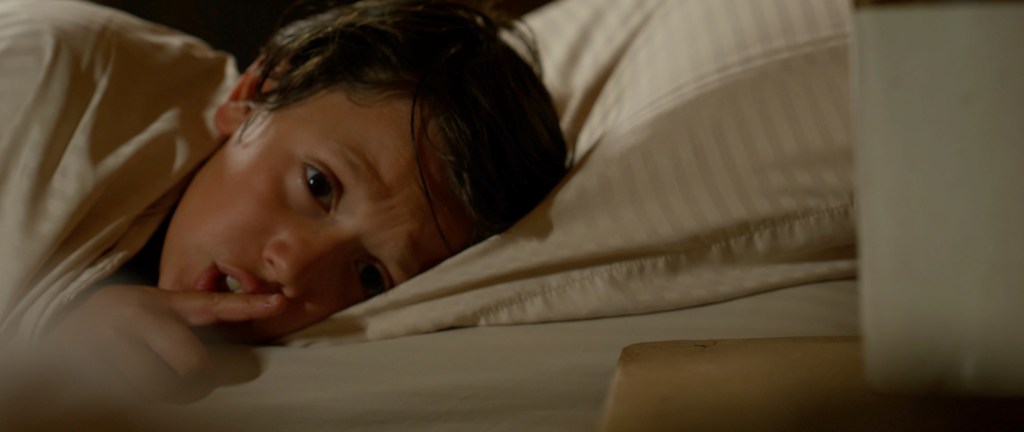
What surprised you the most about making Surviving La Llorona?
How real it started to feel. These were based on people’s actual experiences. As we filmed, I noticed the actors and crew were treating the material with unexpected reverence. It didn’t feel like a typical ghost story shoot—there was this strange energy on set, especially in Episode 2. It surprised me how deeply these stories affected us.
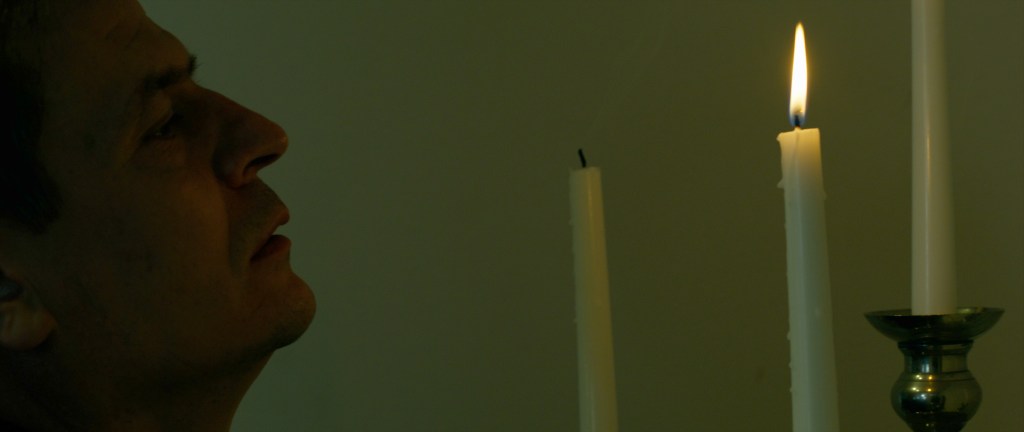
The chapel in episode 2 is pretty perfect for the story. How did you find this location?
It’s actually right in the middle of the city, which is funny because it looks so isolated in the episode. We found this old chapel that had the right look—weathered, eerie, and full of character. The challenge was shooting around the surroundings to make it feel like it was in the middle of nowhere. We used tight framing, careful angles, and avoided showing anything modern. With the right lighting and sound design, it transformed completely on camera.
What was your overarching vision of the show? What themes or emotions were you trying to convey?
I wanted to explore generational trauma—how stories like La Llorona aren’t just folklore, but emotional echoes that get passed down. I wanted each episode to feel different in tone, but all tied together by this sense of loss, guilt, and survival. The goal was never just to scare, but to haunt the viewer emotionally.
Can you talk about the La Llorona character? Where did you find the actress to play her? What was her transformation like?
We actually found her on Instagram—she’s a cosplayer whose work really stood out. She had this incredible ability to embody different characters through movement and expression, and we knew right away she could bring something special to La Llorona. Working with her was great—super professional, super creative. Once we added the makeup, the veil, and gave her direction on how we wanted La Llorona to move, she fully transformed. It wasn’t just about looking scary—she made the character feel tragic and otherworldly.
Have you ever had an experience with La Llorona?
I haven’t, and to be honest, I don’t really believe in those stories the way some people do. But I respect them. These legends carry meaning for a lot of people, especially in our culture. Whether or not they’re real doesn’t matter as much to me as what they represent—grief, fear, loss. That’s what I try to tap into in the storytelling.
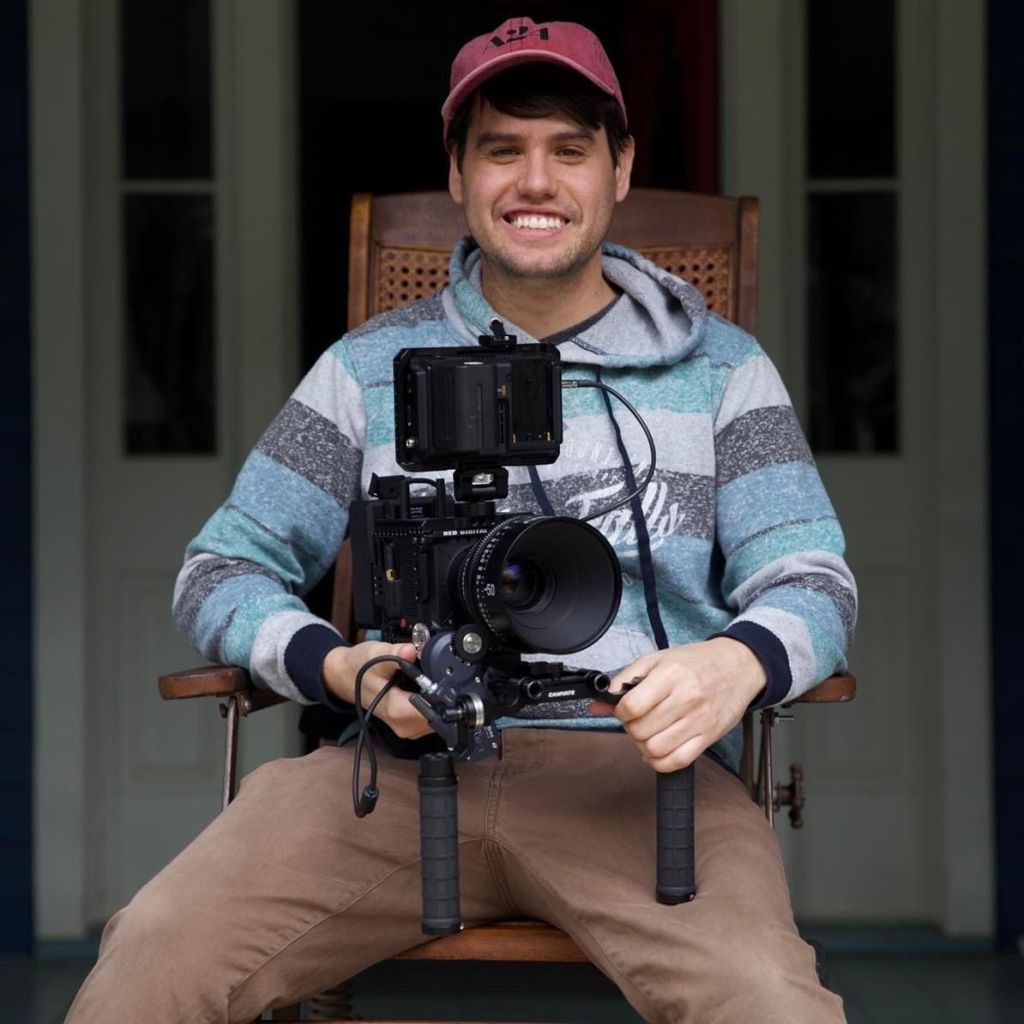
What techniques did you use to build suspense and tension in Surviving La Llorona?
Silence was key. Letting scenes breathe, holding shots just a little too long, using sound design to make the ordinary feel threatening. I worked closely with the composer to make sure the music wasn’t doing the work for the scares—it was there to amplify what was already unsettling.
How do you get the best performances from your actors?
I try to make them feel safe first. Horror can be very vulnerable, especially when scenes require panic or grief. I talk to them about the emotional core of the scene, not just what’s happening. And I always allow a few takes where they can go off-script and just feel the moment. That’s usually when the magic happens.
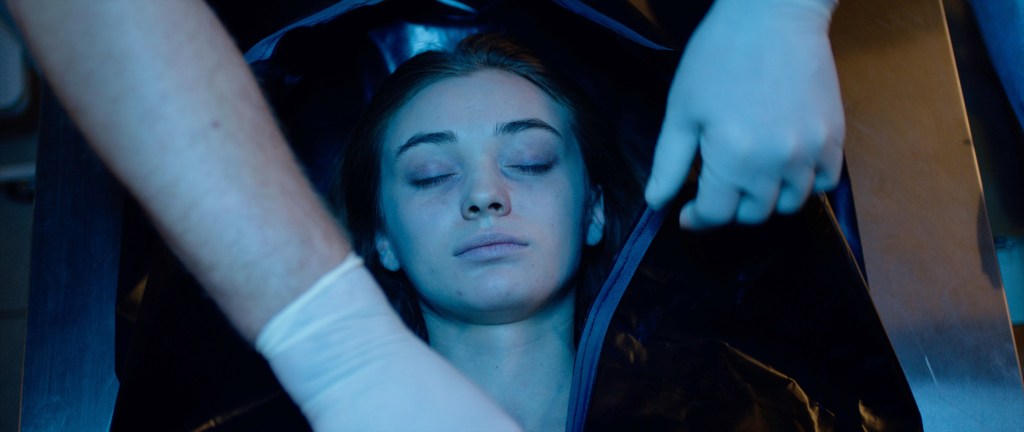
What do you hope viewers say as they walk away from watching Surviving La Llorona?
I hope they say, “That felt real.” Not just scary, but emotionally honest. I want them to question what they believe, and maybe call their abuela and ask her about the stories she grew up with. If it sparks a conversation, then we did something right.
Do you have any funny, behind-the-scenes stories from set you would like to share?
Honestly, not really. It was a small, focused production, and we were all pretty locked in the whole time. The tone of the stories we were telling kind of kept everyone in a serious mindset, so there weren’t a lot of light moments. It was more about staying present and respectful to the material.
Chris Miller
Leave a Reply